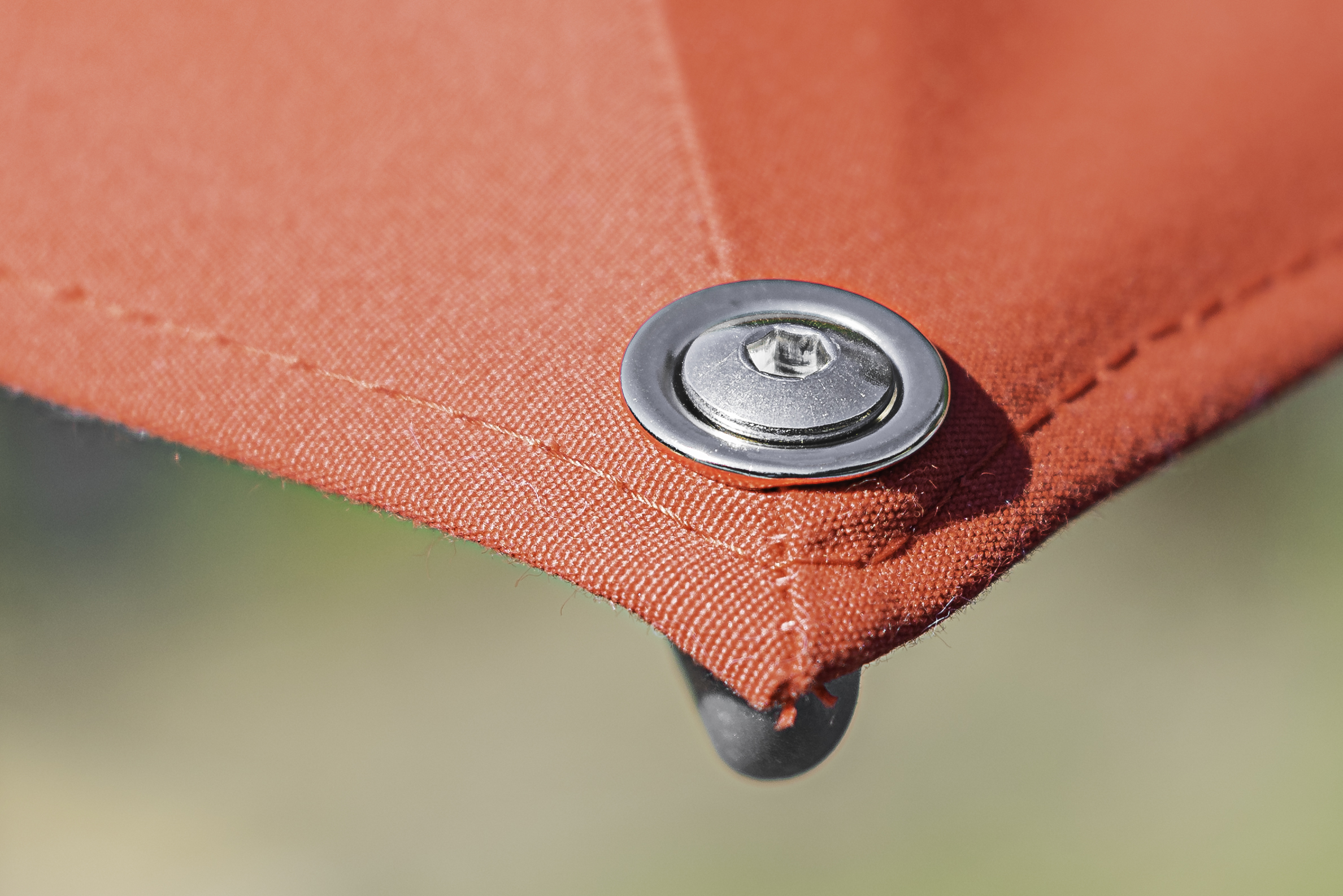
If you spend enough time in the outdoor furnishings industry, you'll hear the term "marine grade" used a lot.
And for good reason. Marine-grade fabrics are engineered to withstand harsh outdoor environments, including sun exposure, moisture, mildew, saltwater, and daily wear and tear. They're among the highest-performing fabrics available for outdoor applications.
But here's where things can get confusing: Marine grade isn't a specific product. It's a broad category. And not all marine-grade fabrics are designed for the same purpose.
In fact, one of the most common misconceptions we encounter is the assumption that if a fabric is marine grade, it's automatically the best choice for an umbrella. That's not always true.
First, Let's Define "Marine Grade"
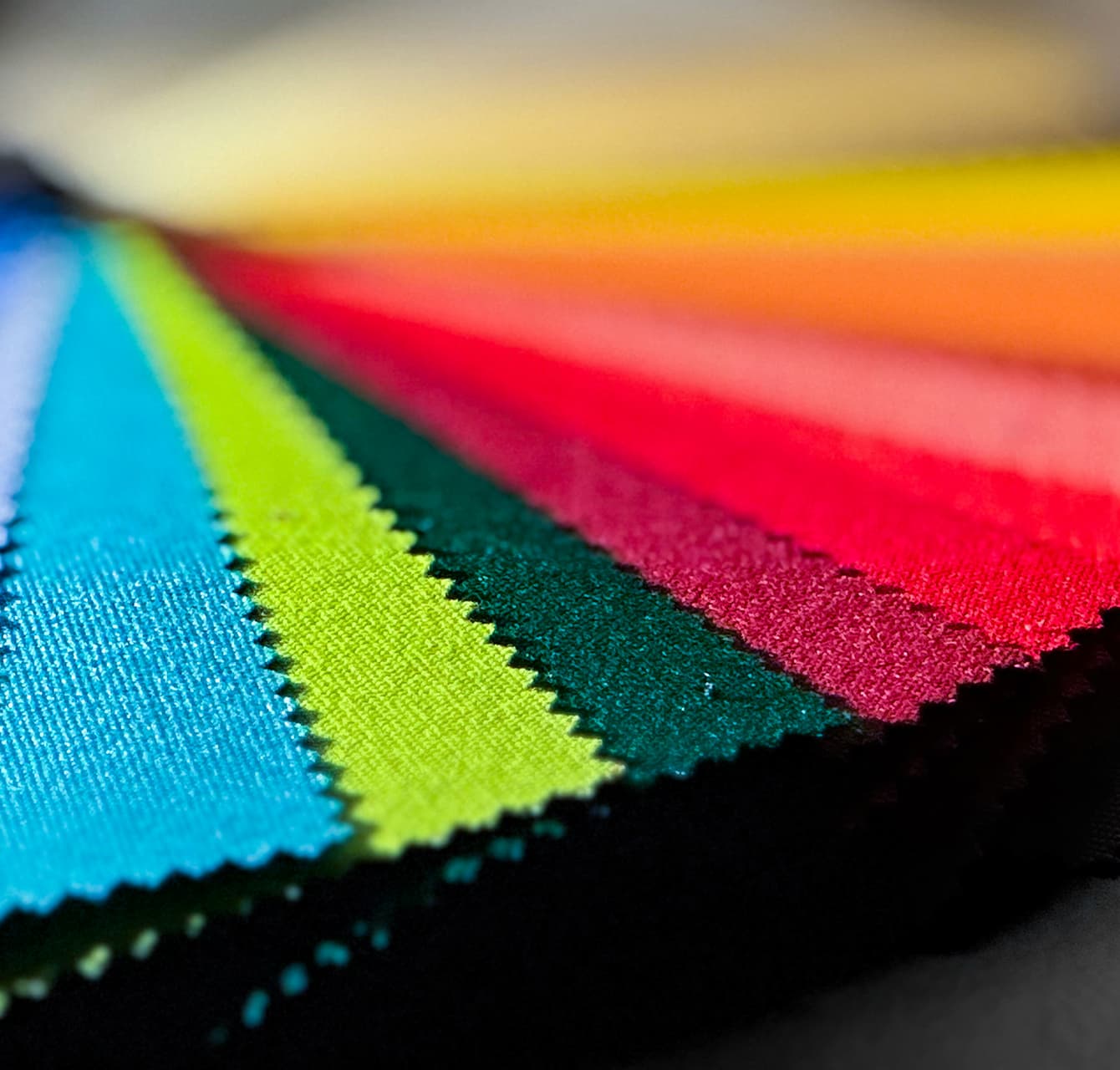
Marine-grade fabrics are typically made from solution-dyed acrylic fibers, which means the color is embedded throughout the fiber itself instead of being applied only to the surface. This gives the fabric exceptional resistance to fading, moisture, mildew, and harsh environmental conditions.
Brands like Sunbrella, Recasens, Tempotest, and Outdura all offer marine-grade fabrics.
But within that category, you'll find two distinct applications:
- Upholstery-grade fabrics
- Awning-grade fabrics
Both have their place. The key is understanding which one is right for the job.
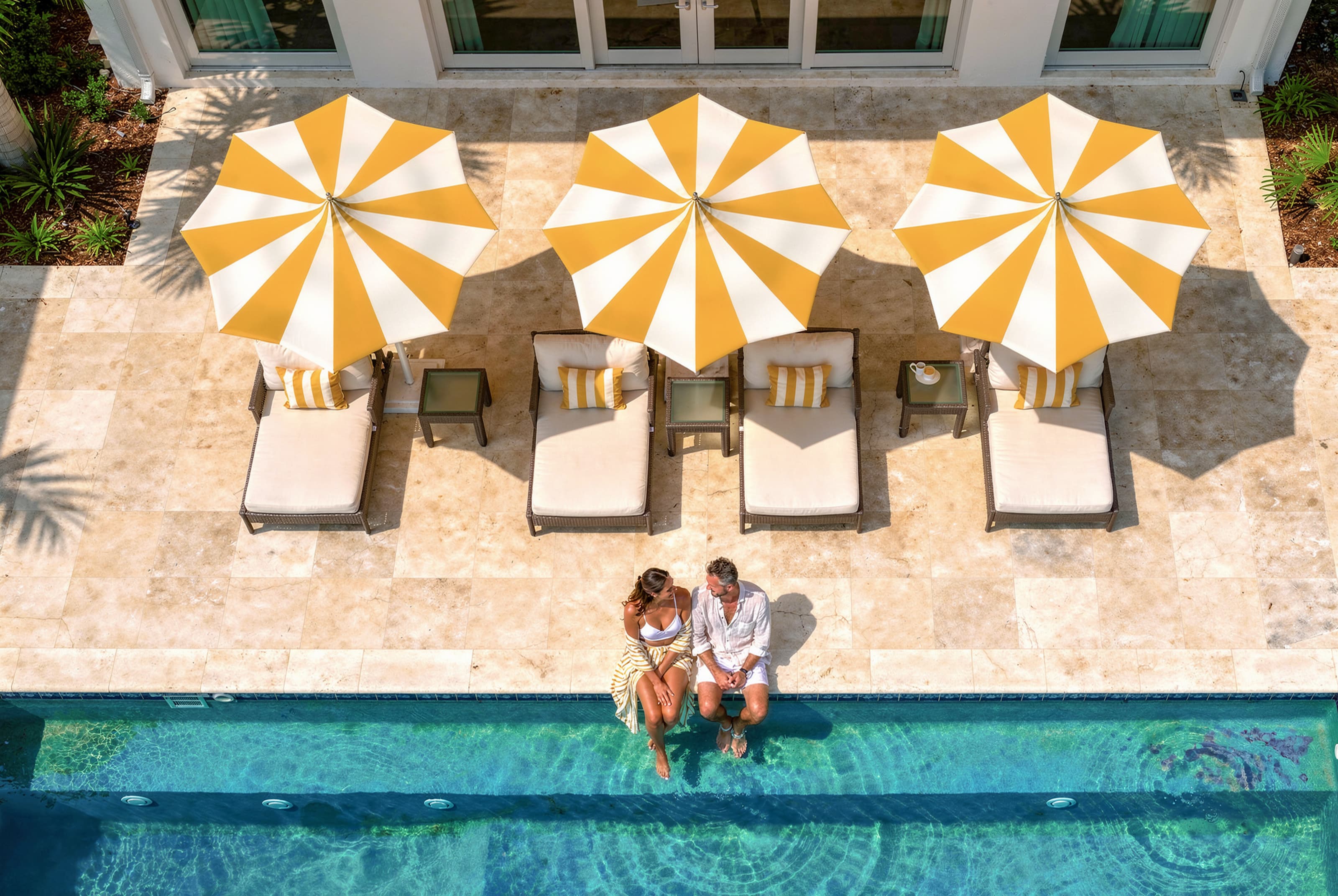
Upholstery Grade vs. Awning Grade: What's the Difference?
The biggest differences come down to three things: weight, weave, and long-term performance. Here’s how they compare.
Upholstery-grade fabrics (typically 7–8 oz.)
These fabrics are designed for:
- Cushions
- Pillows
- Outdoor seating
- Upholstered furniture
They're often softer to the touch because they're engineered for comfort.
Awning-grade fabrics (typically 9 oz.)
These fabrics are specifically designed for:
- Awnings
- Umbrellas
- Shade structures
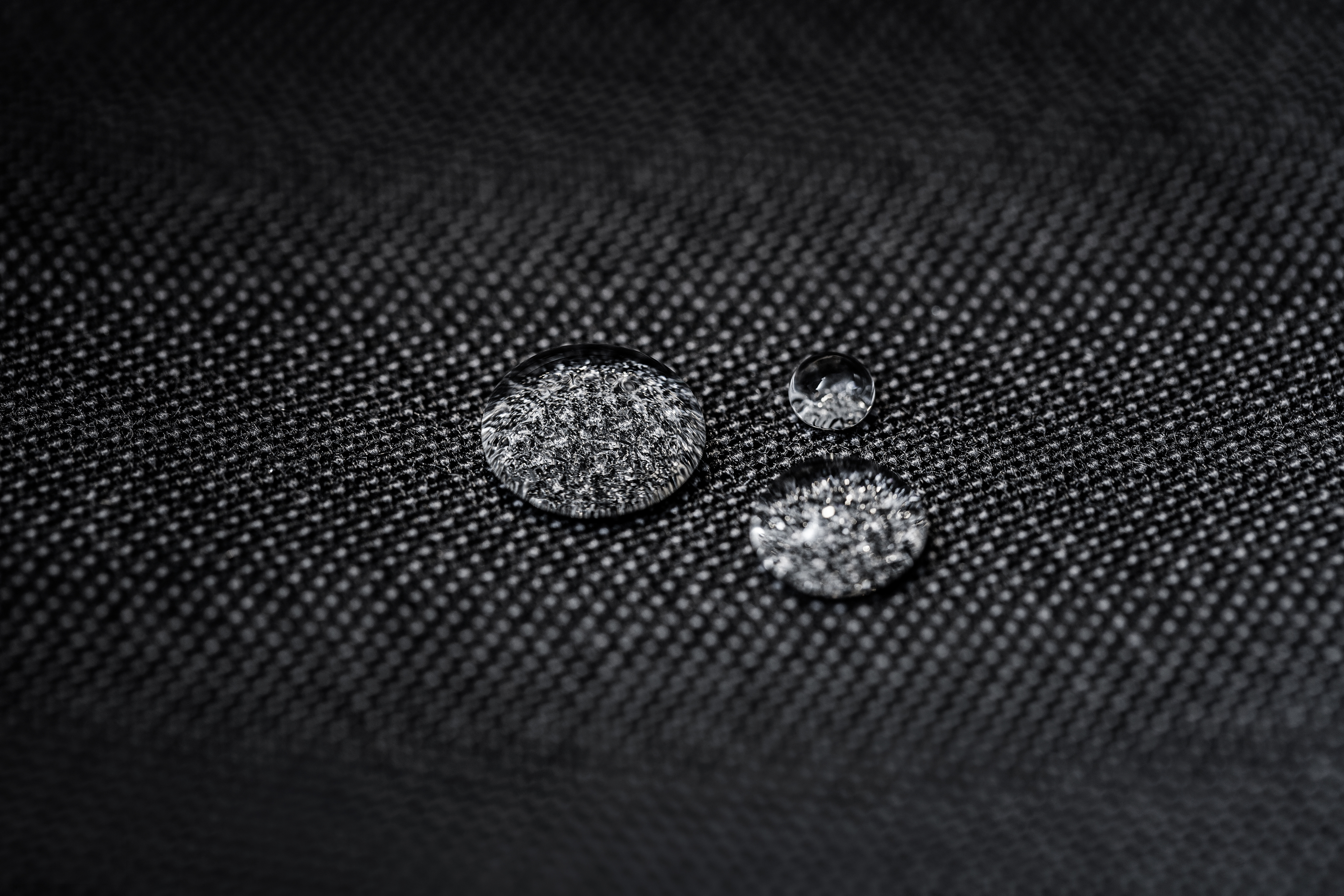
The weave is tighter, which makes the fabric more structurally stable, more water repellent, and better suited for prolonged sun exposure.
In other words, they're purpose-built for overhead shade applications. And that's an important distinction.
Why Weight Matters for Umbrellas
An umbrella lives a very different life from a cushion.
A cushion is supported from underneath. An umbrella is suspended overhead and constantly fighting gravity, wind, rain, and UV exposure.
When lighter upholstery fabrics are used on a shade product, they're more susceptible to stretching over time. That stretching can eventually lead to sagging canopies that lose their crisp, tailored appearance.
A heavier 9 oz. awning-grade fabric is simply better equipped for the job.
It helps the canopy maintain its shape, appearance, and performance over many years of use.
The Warranty Difference Tells a Story
Another clue? How our warranties are structured.
Frankford offers a 5-year residential fade warranty on upholstery-grade fabrics, while awning fabrics carry a 10-year warranty against loss of color and strength.
That's not an accident.
The longer warranty reflects the fact that awning-grade fabrics were engineered for sustained overhead exposure to the elements.
It's also why we encourage customers to choose awning-grade versions whenever they're available.
Take Sunbrella's popular Natural color as an example:


-
#5404 Canvas Natural = upholstery grade
-
#4604 or #6004 Natural = awning grade
They may look nearly identical, but they're designed for entirely different applications.
Why Frankford Recommends 9 oz. Awning-Grade Fabrics
At Frankford, our philosophy is simple: build products that maximize lifespan.
Whenever possible, we'll recommend a 9 oz. awning-grade fabric for a shade product because we know how that decision will pay off years down the road.
That means:
- Better resistance to stretching and sagging
- Improved water repellency
- Longer-lasting color retention
- Better structural performance
- A longer usable lifespan overall
Could an upholstery fabric work? Technically, yes.
Would we recommend it for a product that's expected to provide reliable shade season after season?
No.
Because our goal isn't to manufacture products that simply look good on day one. Our goal is to manufacture products that still look great years later.
The Bottom Line
The next time someone says a fabric is "marine grade," don't stop there.
Ask a second question: Is it upholstery grade or awning grade?
That distinction can have a significant impact on how your umbrella looks, performs, and lasts over time.
At Frankford, we believe the details matter. And when it comes to shade products, choosing a purpose-built 9 oz. awning-grade fabric is one of the simplest ways to ensure you're investing in performance that lasts.
Explore Frankford's catalog of available fabrics and learn more about our textile partners here: Explore Our Fabrics